


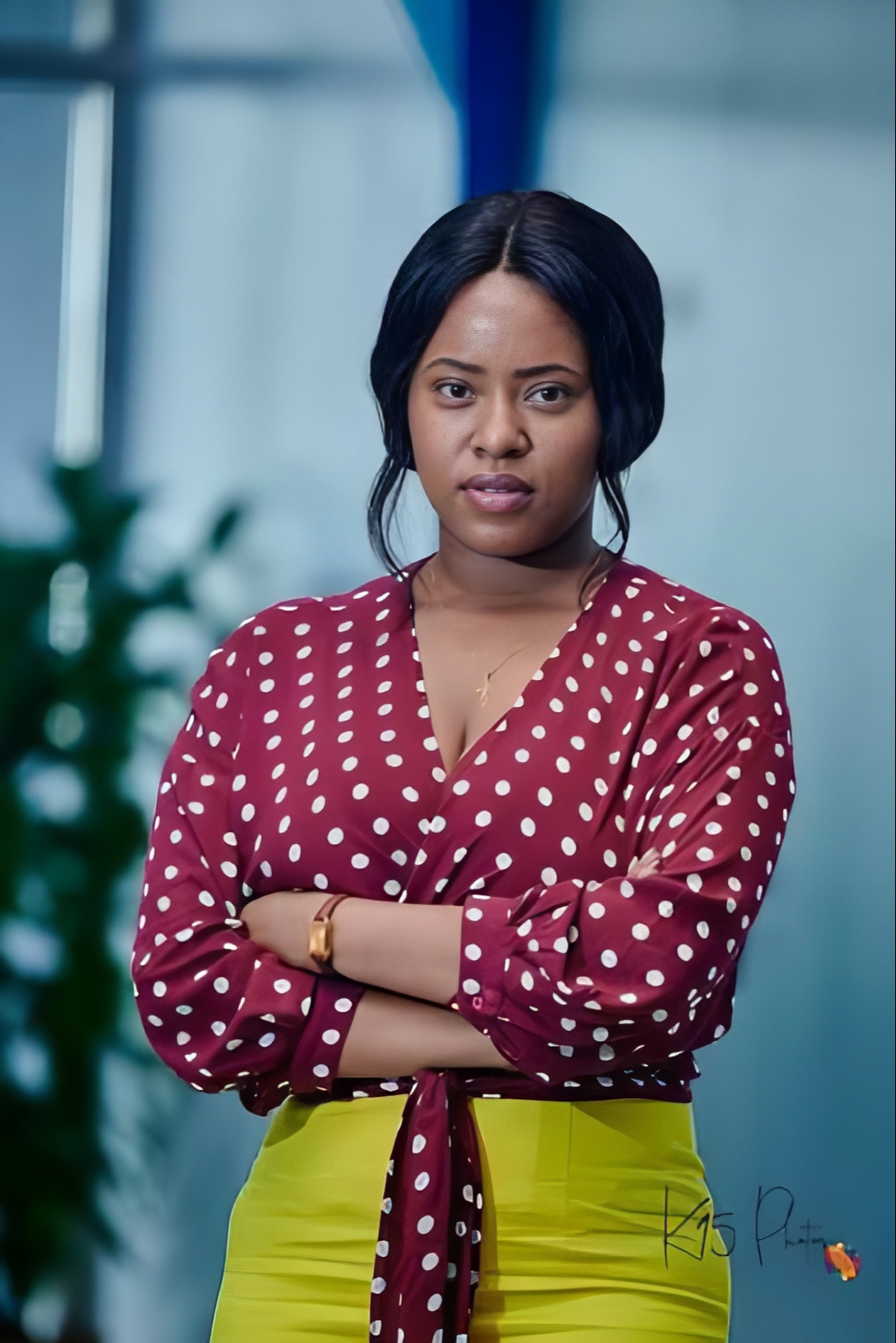
Diana Mbogo designs community-focused solar and wind energy solutions that reduce energy poverty and transform local industries.
Diana Mbogo’s journey into renewable energy began long before she became one of Tanzania’s most recognised young engineers. As a mechanical engineering student at the University of Dar es Salaam in 2015, she was surrounded by reminders of how deeply energy poverty impacted lives in Tanzania.
Communities still relied on kerosene lamps, small industries struggled with unreliable power, and rural livelihoods were limited simply because clean and affordable energy remained out of reach. Instead of treating this as an abstract national problem, she began studying how renewable energy could fill those gaps in ways that made sense for the people.
That early curiosity became the foundation for Millennium Engineers Enterprises Ltd, a company she started as a student in 2015 and formally registered in 2016. From the start, she built it as a 100% women-founded and led social enterprise. Her goal was to design solar and wind systems and create solutions shaped by the specific economic, cultural, and regulatory realities of each community or industry.
She focused on markets most companies ignored, especially underserved and rural areas where the cost of energy was high, and the environmental impact of traditional fuels was severe.
Her most recognised milestone came from work around Lake Victoria, where the sardine fishing industry relied heavily on kerosene lamps and lead-acid batteries, both of which were expensive and environmentally damaging. Through an impact business project, Millennium Engineers introduced solar-powered drying facilities and clean energy systems, which significantly reduced costs for fishermen, improved product quality, extended the shelf life of the fish, and reduced carbon emissions by replacing harmful fuel sources.
As the company grew, Diana Mbogo expanded her work across the Southern African Development Community (SADC) region, developing hybrid solar and wind energy systems tailored to the diverse needs of various industries and communities. Her team approached each project by considering cultural practices, affordability, environmental conditions, and local governance policies, ensuring the solutions were both technically sound and socially practical.
This adaptability strengthened investor confidence and helped her secure over $1 million in funding to scale the company’s impact.
The innovator quickly gained international recognition, earning her the Young Talent of the Year Award in 2023 and the UN WE Empower SDG Award. She also became a sought-after voice on global platforms, delivering keynote speeches at COP27 and COP28, where she advocated for Africa’s energy transition, climate change mitigation, and the importance of gender equality in engineering and renewable energy.
Her leadership directly contributes to several SDGs, especially SDG 5 on gender equality, SDG 7 on affordable and clean energy, and SDG 13 on climate action.