

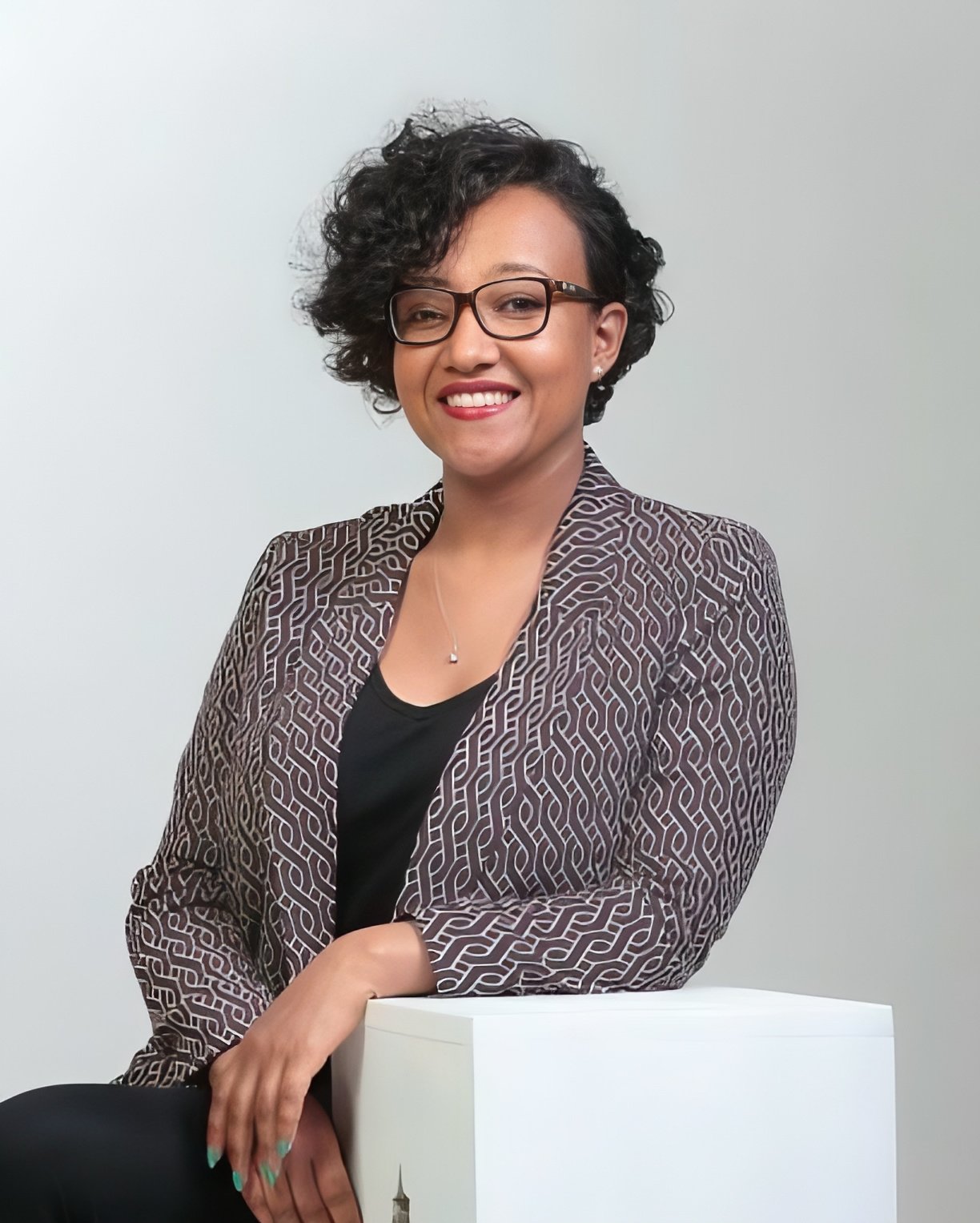
Bethlehem Mengistu leads global WASH systems change, advancing gender equality and sustainable, locally led development.
Bethlehem Mengistu has spent most of her career asking a question that rarely fits neatly into development logframes. Her work is shaped by lived experience and sharpened by years of policy work. For more than seventeen years, her work has centred on water, sanitation, gender equality, and governance, quietly influencing how development is designed, funded, and owned across East Africa, parts of Asia, and global policy spaces.
Her perspective was formed long before she entered international organisations. Growing up in Ethiopia, the global leader absorbed a way of life rooted in shared responsibility, community care, and mutual accountability. Those early lessons later shaped how she understood Water, Sanitation, and Hygiene (WASH)- as a foundation for health, education, gender equality, and economic participation.
Bethlehem Mengistu began her career working closely with communities through organisations such as Care International, Action Aid, and grassroots women’s groups across East Africa. In these early roles, she managed programmes, led advocacy campaigns, and contributed to policy analysis focused on gender equality and basic services.
Yet, it was here that she also encountered the limitations of conventional development practice. Projects delivered results, but too often those results faded once funding cycles closed. The lesson revealed that without strong institutions and local ownership, progress remained fragile.
That insight followed her into WaterAid, where her leadership evolved alongside her influence. As Regional Advocacy Manager for East Africa and pan-Africa, Mengistu worked with governments and partners to integrate WASH into broader national agendas around nutrition, education, governance, and gender equality.
Later, as Country Director for Ethiopia and part of WaterAid’s pan-Africa regional management, she played a central role in a pivotal organisational shift, moving away from direct NGO implementation toward partnerships with local governments. The transition was complex and, at times, uncomfortable, but it strengthened national systems, improved accountability, and repositioned WASH as a public service rather than a charitable intervention.
As her work expanded, she became increasingly vocal about localisation and power in the humanitarian sector. For her, localisation was about decision-making, financing, and trust. She challenged international actors to rethink their roles, urging them to invest in local leadership as the foundation for sustainable impact.
In October 2021, she took on her current role as the Executive Director of the Global Secretariat of Agenda for Change, a global collaboration working toward Sustainable Development Goal 6, universal access to water and sanitation by 2030. From this position, Mengistu operates as a convener and systems strategist, aligning NGOs, governments, donors, and multilateral institutions around long-term national WASH strengthening. Her focus remains firmly on policy reform, institutional capacity, and resilience, particularly as climate pressures intensify existing inequalities.
Parallel to this system’s work runs a deep commitment to women’s leadership. Through initiatives such as the Women in WASH Mentorship Programme, Mengistu has worked to address persistent gender gaps by building leadership pipelines rather than spotlighting isolated success stories. She speaks openly about authenticity, advocating for leadership that allows women to remain whole rather than conforming to narrow norms.
The systems-oriented leader, Bethlehem Mengistu, holds academic training in Law and Sociology and has obtained her MSc in International Development at University College Dublin. She is part of the Women in Water Diplomacy Network and initiated a global mentorship program for women in WASH.