


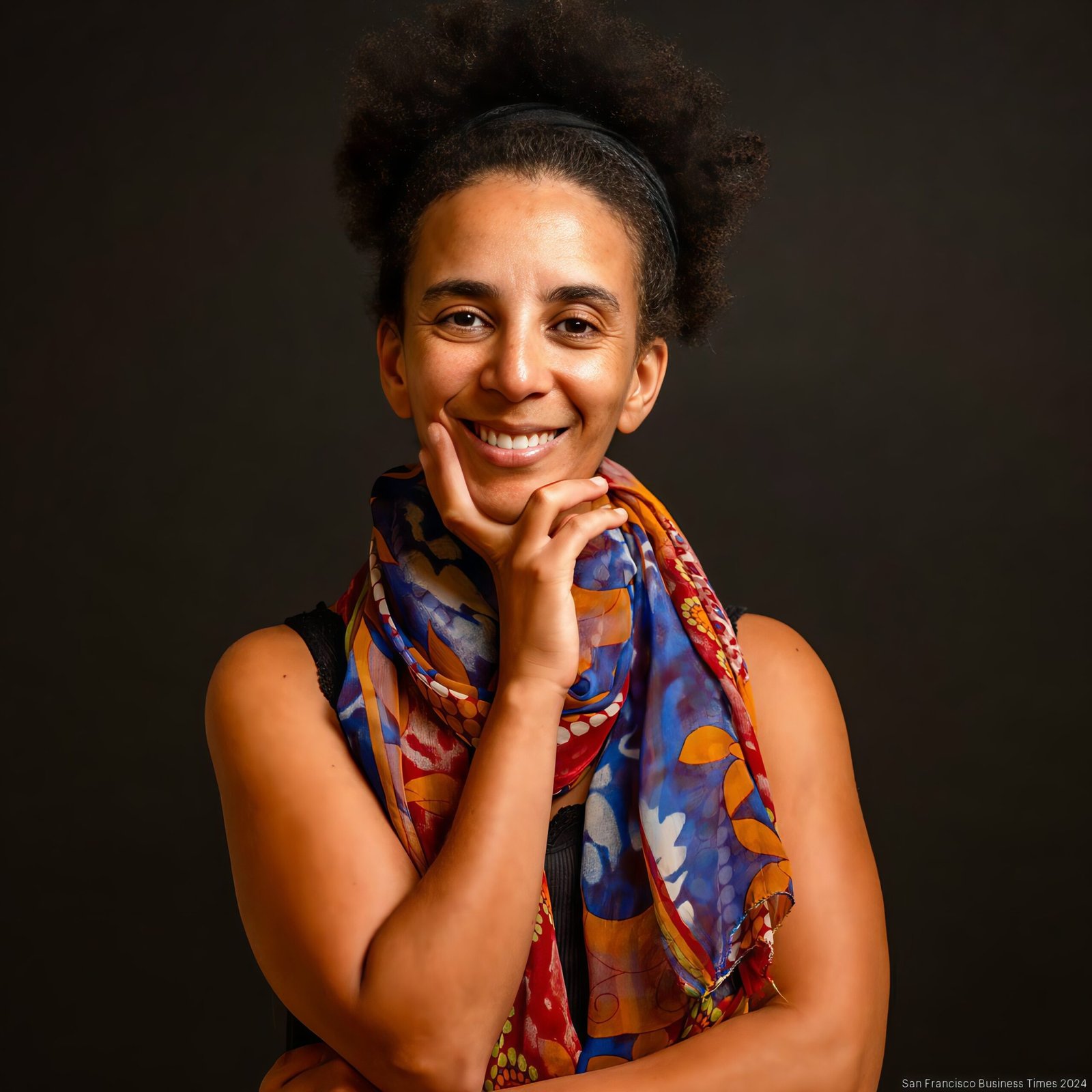
Timnit Gebru shows why independent, inclusive AI research is increasingly necessary through her work at DAIR.
Timnit Gebru is widely recognised for her contributions to the field of artificial intelligence (AI), particularly in the areas of ethics, bias, and the social implications of automated systems. Born in Ethiopia and later resettled in the United States as a refugee, her early experiences have shaped her long-standing interest in how technology affects different communities.
Timnit Gebru completed her doctorate at Stanford University, where her research focused on computer vision and machine learning. She later conducted postdoctoral work at Microsoft Research and worked briefly at Apple before joining Google.
At Google, she became co-lead of the Ethical AI research team, where she examined issues such as algorithmic bias and the limitations of facial-recognition technologies. Later, in 2021, she founded the Distributed Artificial Intelligence Research Institute (DAIR), an independent organisation aimed at broadening participation in AI research and creating space for work that may not align with the priorities of large technology companies.
DAIR positions itself as a community-rooted institute, seeking to include researchers and perspectives that are frequently underrepresented in mainstream AI development. The institute operates through a distributed model, with collaborators across different regions, including Africa and the African diaspora.
The company’s approach is shaped by concerns Gebru has raised throughout her career, particularly the risk that profit-driven AI development can reinforce existing inequalities. The institute focuses on producing research grounded in local contexts, developing ethical frameworks for technology, and exploring alternative ways of designing and governing AI systems.
DAIR has launched several early projects. One such initiative involves the use of satellite imagery and machine-learning techniques to study spatial inequalities linked to apartheid-era planning in South Africa.
The organisation has received grant funding of approximately $3.7 million from a range of philanthropic foundations, including the MacArthur Foundation. These funds support its research activities, community workshops, and collaborations with local organisations. Although DAIR’s long-term influence remains to be seen, its work contributes to wider conversations about accountability and governance in the AI sector.
Beyond her work with DAIR, Timnit Gebru has been involved in several initiatives centred on equity and representation in technology. She is a co-founder of Black in AI, a community-driven organisation established to increase the visibility, inclusion, and participation of Black researchers in artificial intelligence.
The tech founder’s establishment of DAIR reflects a continued effort to address systemic issues within the technology industry, particularly around representation, equity, and the social impact of AI systems. Her wider work continues to influence discussions around data governance, labour practices in AI development, and the need for more diverse voices in shaping emerging technologies.